LAND RIGHTS AND LAND OWNERSHIP
Protecting Grazing Lands and Securing Indigenous Livelihoods
Access to land is central to the survival, dignity, and cultural identity of the Mbororo pastoral indigenous community. Across the national territory of Cameroon, grazing lands form the foundation of pastoral livelihoods, food security, and economic resilience. However, increasing pressure on land, expansion of large-scale farming, and competing land claims have created growing tensions between pastoralists, farmers, local communities, and powerful landholders.SURA-MAMA works to promote equitable land governance, peaceful coexistence, and the protection of indigenous land rights within the framework of Cameroon’s land tenure system.
Understanding the Land Challenge
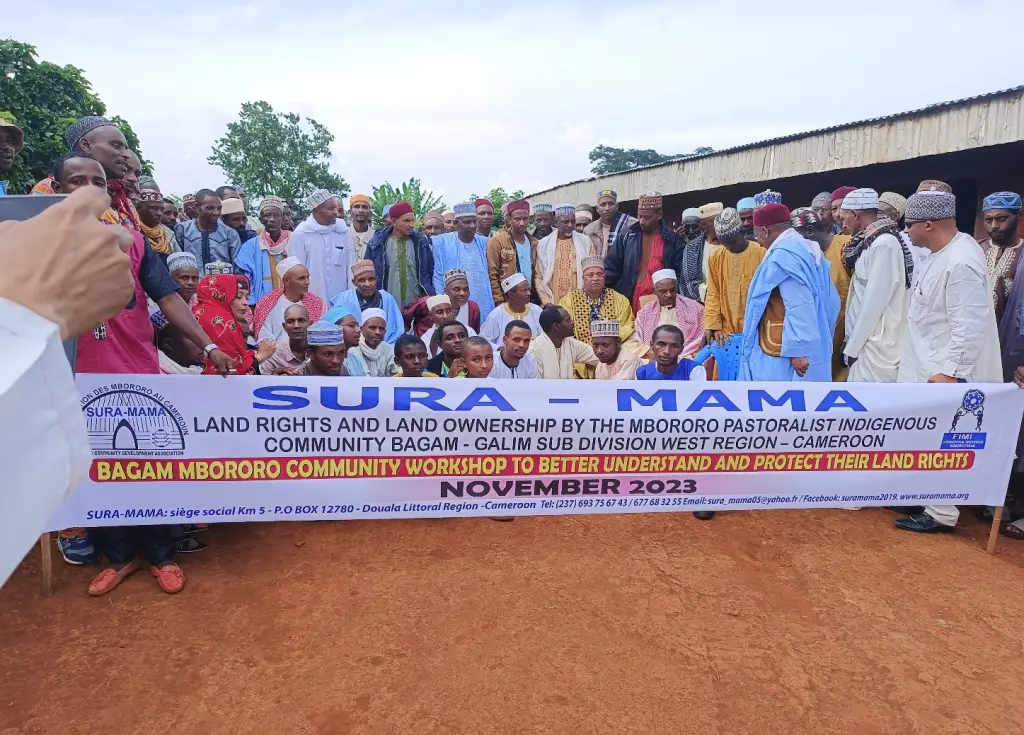
In many parts of Cameroon, national lands traditionally used as grazing areas have become zones of contention. Conflicts often arise between farmers and grazers due to expanding agricultural activities and unclear land demarcation. In some cases, vast portions of land are acquired by influential elites, reducing available grazing space and creating potential human rights concerns for pastoral communities.
These tensions do not only threaten livelihoods but may also undermine peaceful coexistence and long-standing community relationships. Addressing land issues therefore requires dialogue, legal awareness, mediation, and inclusive governance mechanisms.
Community Dialogue and Conflict Mediation
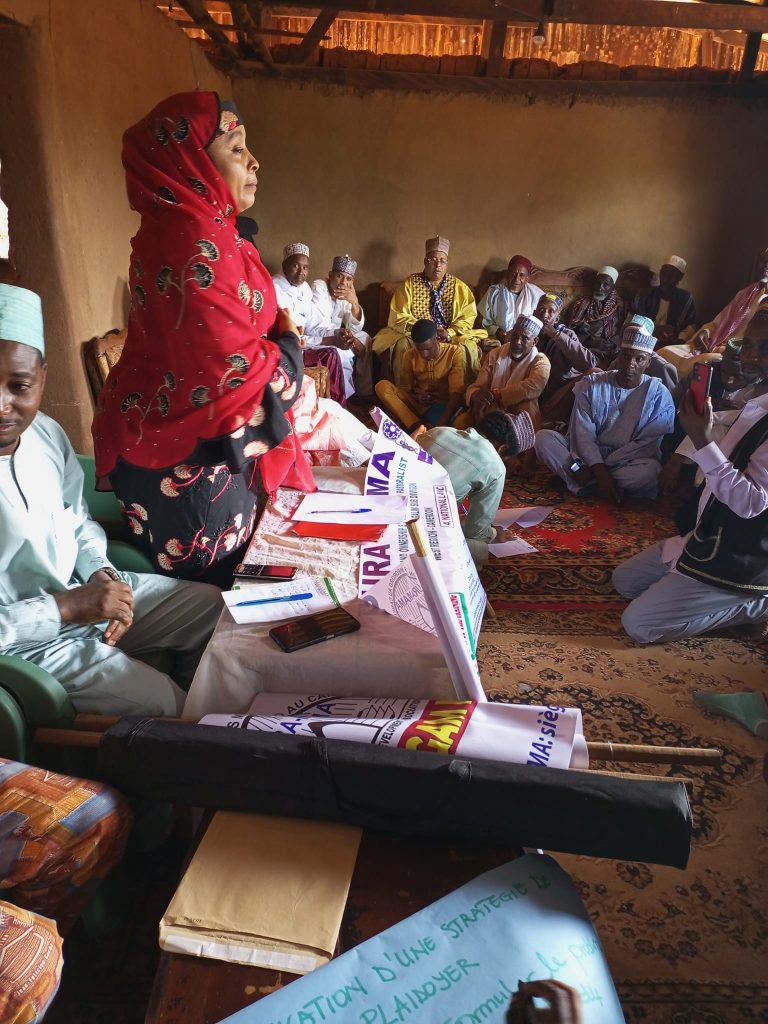
Community Dialogue and Conflict Mediation
As part of its land rights advocacy, SURA-MAMA facilitates meetings and dialogue platforms that bring together:
Mbororo community leaders
Traditional authorities (including ARDOs)
Local chiefs
Administrative authorities
Delegations of livestock and fisheries
Farmer and grazer representatives
These engagements aim to mediate disputes, strengthen mutual understanding, and promote peaceful solutions that respect both pastoral and farming interests. Community dialogue has proven to be an essential tool in preventing escalation and reinforcing social cohesion.
Across Cameroon, several Mbororo clans and indigenous communities have actively participated in these consultations, reaffirming their commitment to lawful land use and peaceful coexistence.
OUR TRAINING PROGRAM AND OBJECTIVES
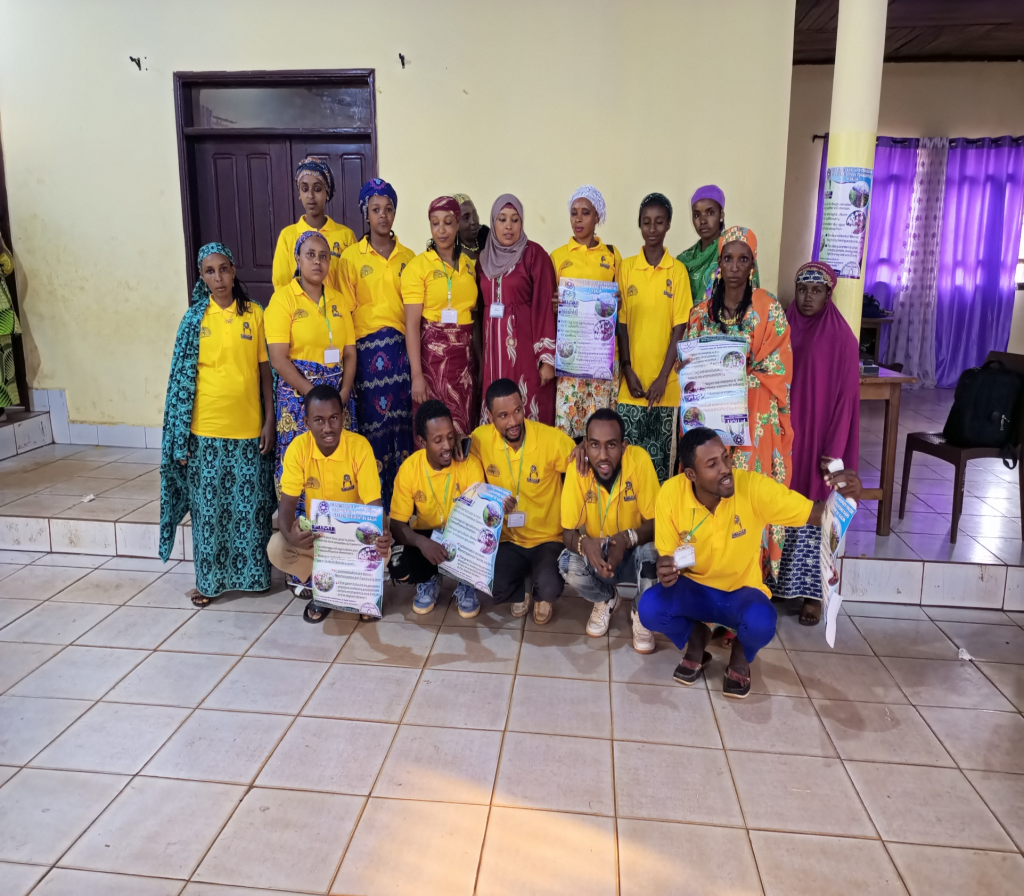
Recognizing that sustainable land ownership begins with legal knowledge, SURA-MAMA implements structured training programs to strengthen community understanding of land tenure systems in Cameroon.
1. Promoting a Holistic Understanding of Land Tenure Law
We work to ensure that community leaders, pastoralists, and local stakeholders gain a comprehensive understanding of Cameroon’s land tenure framework, including:
The classification of national lands
Customary land occupation
Administrative land allocation procedures
Legal registration requirements
Improved legal literacy empowers communities to engage authorities confidently and responsibly.
2. Identifying Legal Provisions Relevant to Pastoral Communities
Our trainings highlight specific provisions within Cameroon’s land laws that are relevant to grazing practices and pastoral land use. By analyzing these legal frameworks, communities are better equipped to:
Defend their customary land use rights
Prevent unlawful land grabbing
Engage in structured advocacy
Promote lawful land acquisition procedures
3. Guiding Communities on Land Acquisition and Registration Procedures
A key objective of the program is to explain the various administrative and legal steps through which communities can:
Apply for land concessions
Register communal lands
Secure land certificates
Document long-standing occupation
Understanding these procedures reduces vulnerability and increases land security for indigenous pastoralists.
4. Modular Training for Simplified Learning
To ensure clarity and accessibility, land tenure training sessions are organized into structured modules. These modules simplify complex legal concepts into understandable and practical guidance, making the information accessible to community members regardless of educational background.
5. Validating a National Advocacy Roadmap
Finally, the program supports the validation of a local and national advocacy roadmap on land rights in collaboration with Mbororo communities and SURA-MAMA. This roadmap guides coordinated advocacy efforts aimed at:
Promoting inclusive land policies
Strengthening community representation
Protecting grazing corridors
Encouraging government-community dialogue
Preventing land-related human rights violations
BIODIVERSITY
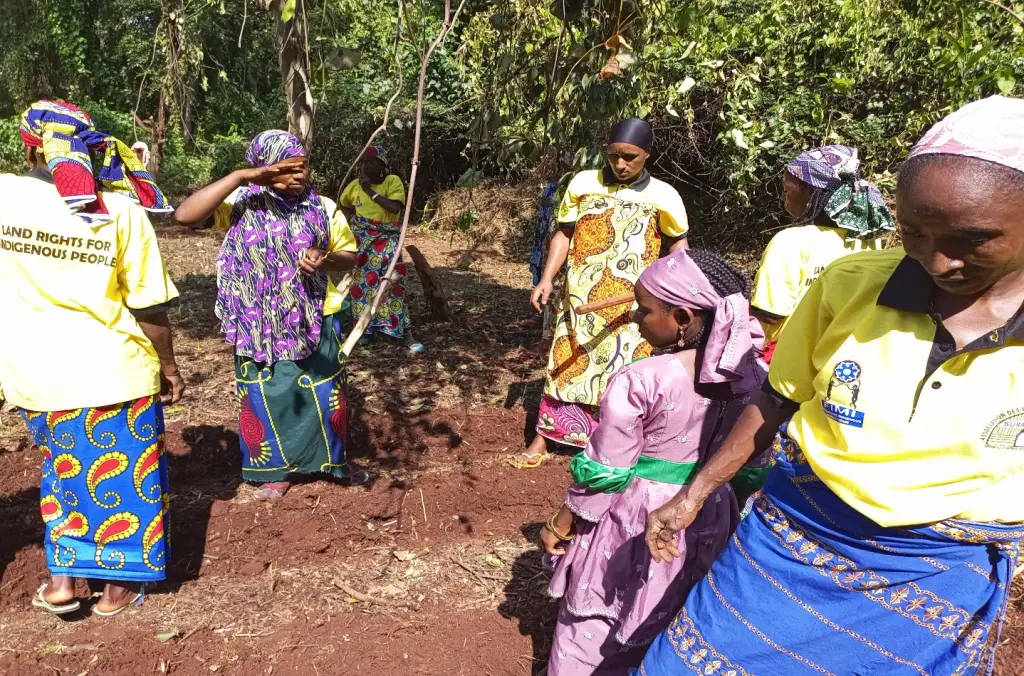
Protecting Biodiversity Through Sustainable Land Use
Land rights and biodiversity conservation are deeply interconnected. Pastoralist grazing systems, when properly managed, contribute to ecological balance and environmental sustainability. Secure access to land reduces environmental pressure and promotes responsible use of natural resources.
Community-Based Natural Resource Management
SURA-MAMA encourages responsible grazing systems, protection of water sources, and preservation of forest ecosystems. By integrating indigenous knowledge and traditional leadership into conservation efforts, we support community-driven environmental stewardship across Cameroon.
Promoting Peaceful Coexistence Between Farmers and Grazers
Environmental sustainability depends on cooperation. Our mediation initiatives help reduce tensions between farming and pastoral communities, encouraging shared resource management that benefits both livelihoods and biodiversity.
CLIMATE CHANGE
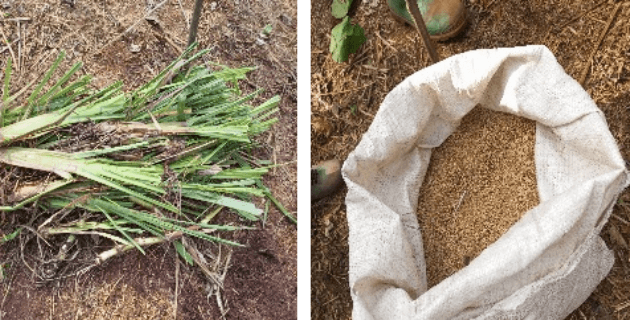
Strengthening Climate Resilience Through Secure
Land TenureClimate change is intensifying pressure on land and natural resources. Changing rainfall patterns, drought, and land degradation increase vulnerability among pastoralist communities. Secure land rights provide the stability needed for long-term climate adaptation.
Supporting Climate-Sensitive Land Governance
SURA-MAMA integrates climate awareness into land advocacy by promoting sustainable grazing routes, natural resource planning, and conflict prevention strategies. Empowered communities are better positioned to adapt to environmental changes.
Building Resilient Communities for the Future
By linking land rights, biodiversity protection, and climate action, we contribute to stronger, more resilient communities capable of protecting their livelihoods while preserving their cultural heritage and natural environment.
Join Us in Advancing Land Justice
Secure land rights are essential for dignity, sustainability, and peace. Partner with us in promoting inclusive land governance, environmental protection, and climate resilience across Cameroon.